
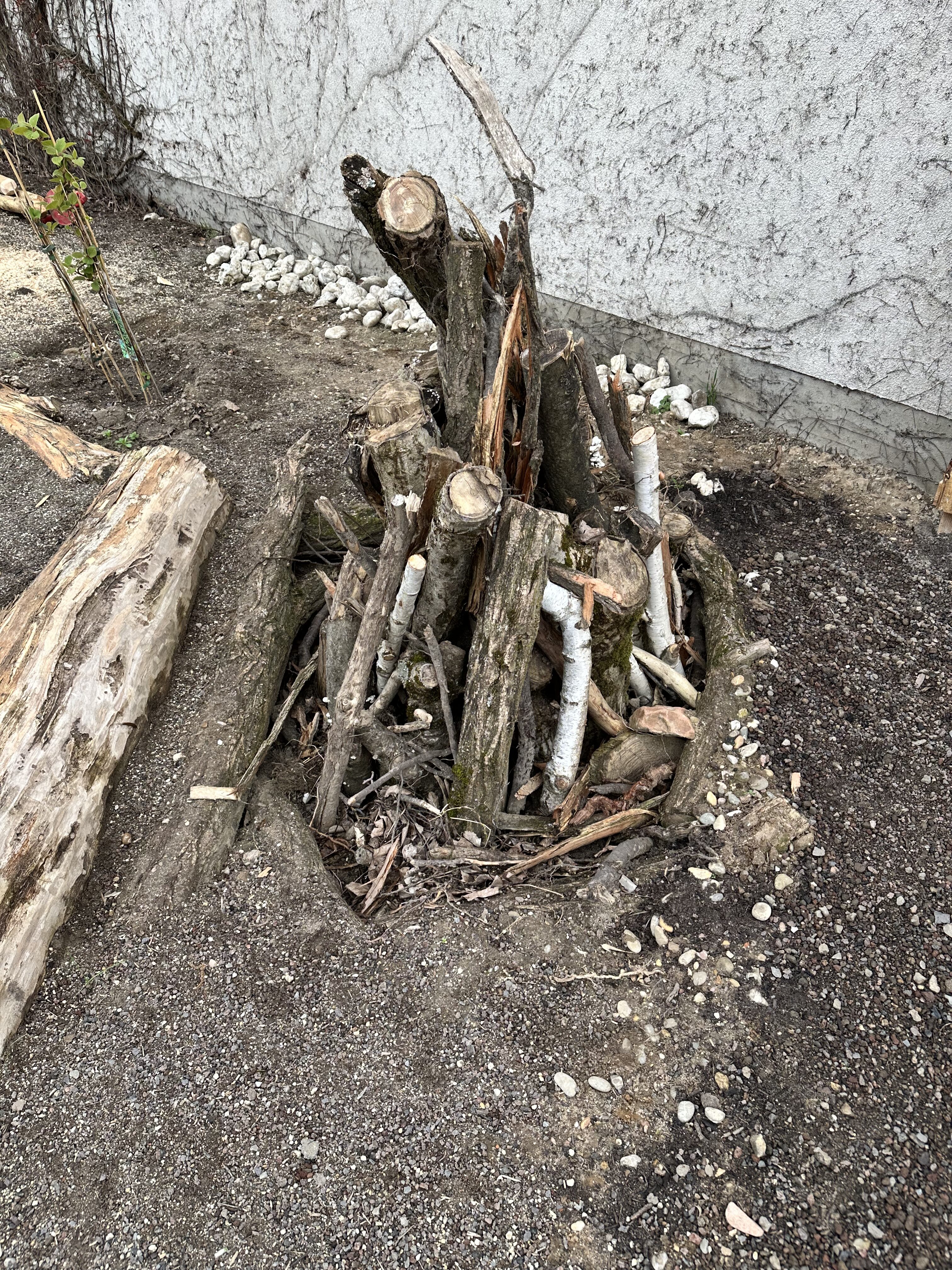
The beetle cellar – a habitat for insect diversity
Deadwood is one of the most important habitats for insects and microorganisms of all kinds. The beetle cellar is therefore a magnet for biodiversity and is in no way inferior to flowering plants and insect hotels in terms of its ecological importance. As a refuge and food source, it is an exciting and valuable addition to a natural garden.
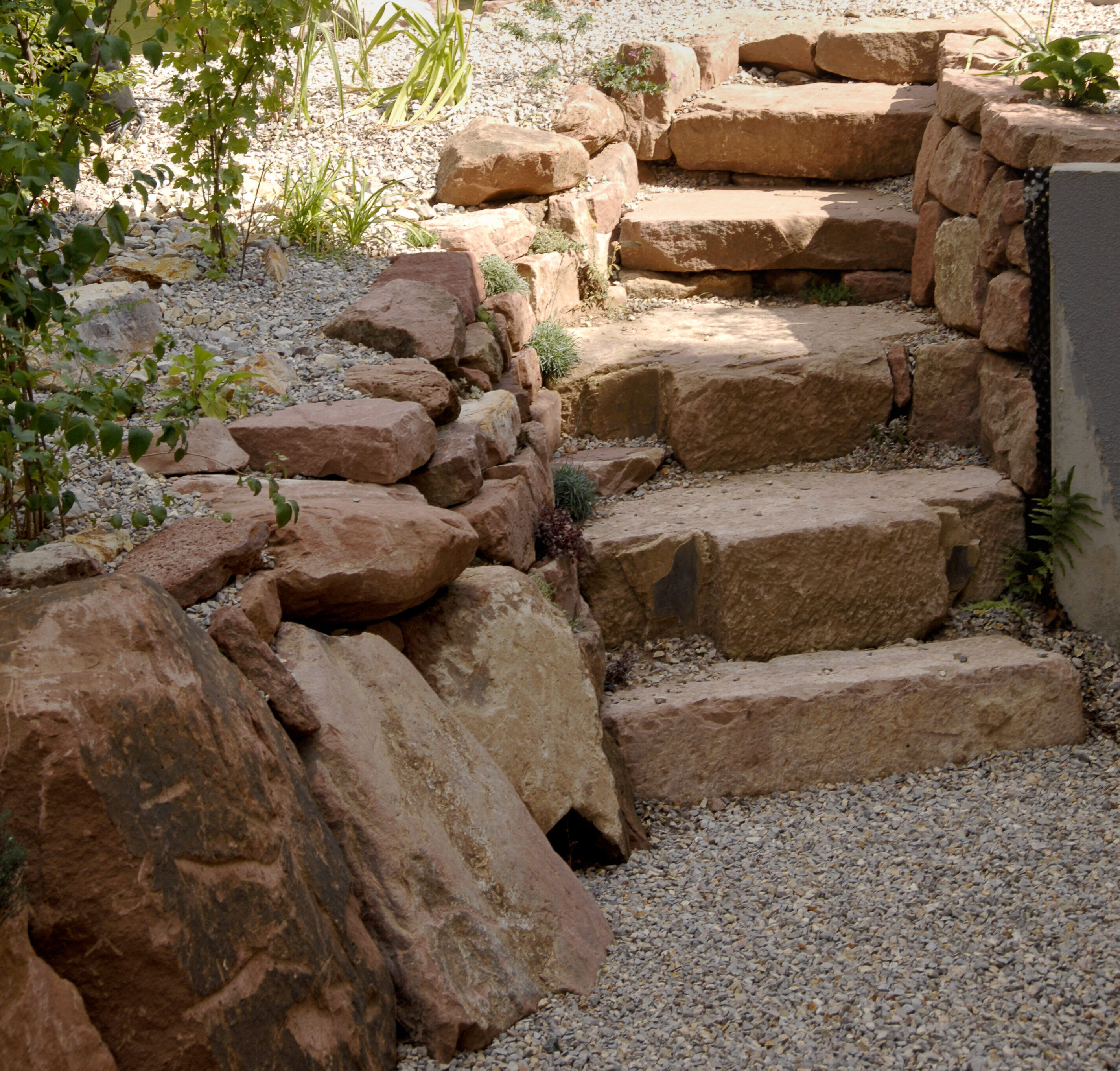
Dry stone walls – aesthetic and lively
Dry stone walls lend gardens a timeless, natural aesthetic and blend harmoniously into the landscape. At the same time, their cavities provide a valuable habitat for numerous animals and plants, such as lizards, insects and mosses. In this way, they combine design beauty with an important contribution to the promotion of biodiversity.
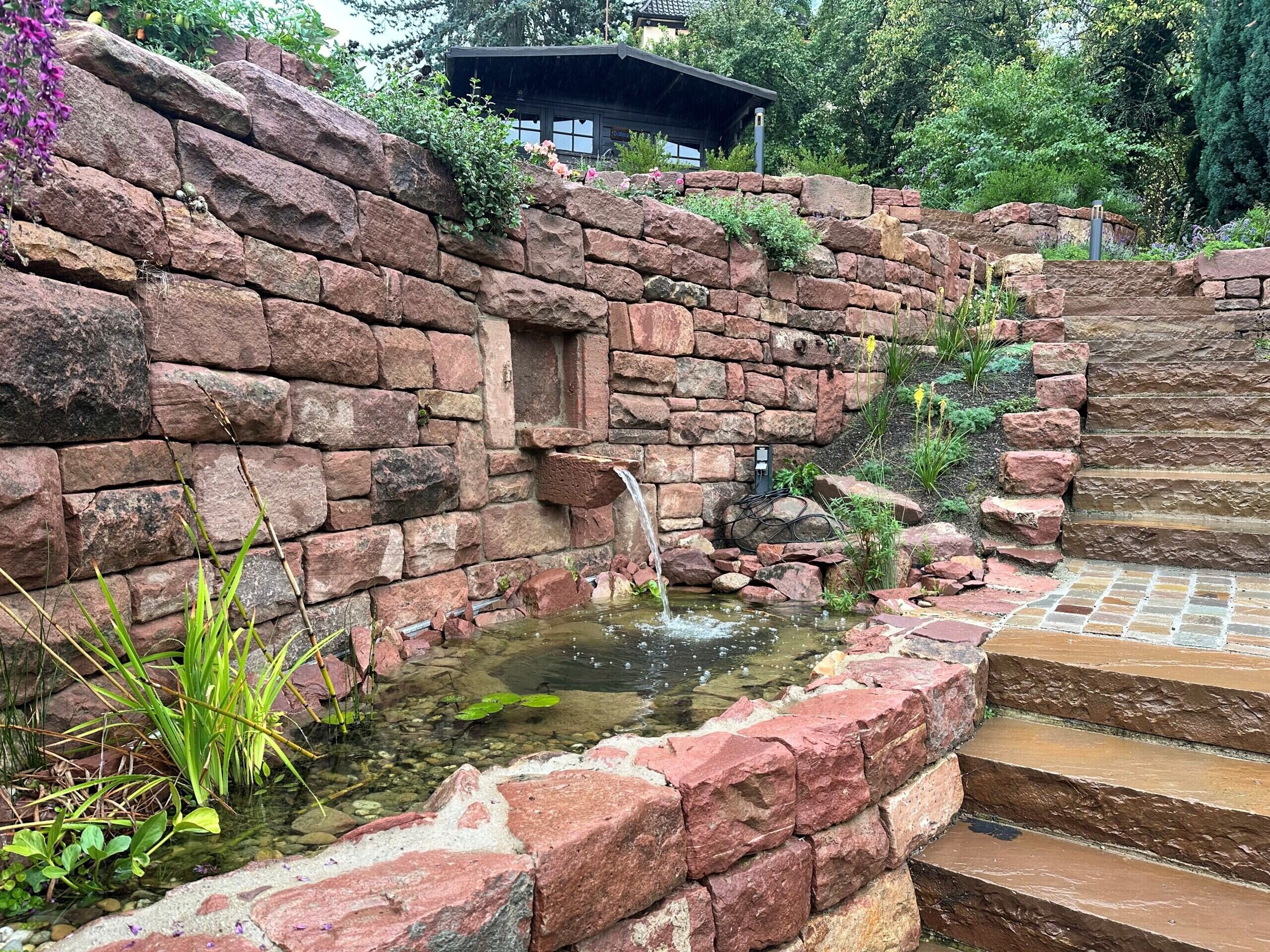
Water – the element of life
A small watering hole is often enough to provide birds, insects, amphibians and plants with an additional habitat. But larger ponds are also very popular. As soon as a new water area has been created, the first inhabitants are already in the garden. As water is a vital resource for animals and humans, it makes a significant contribution to increasing biodiversity in the garden. In addition, an appropriately sized watering hole can have a positive effect on the microclimate of a garden, especially on hot days, which both humans and animals enjoy.
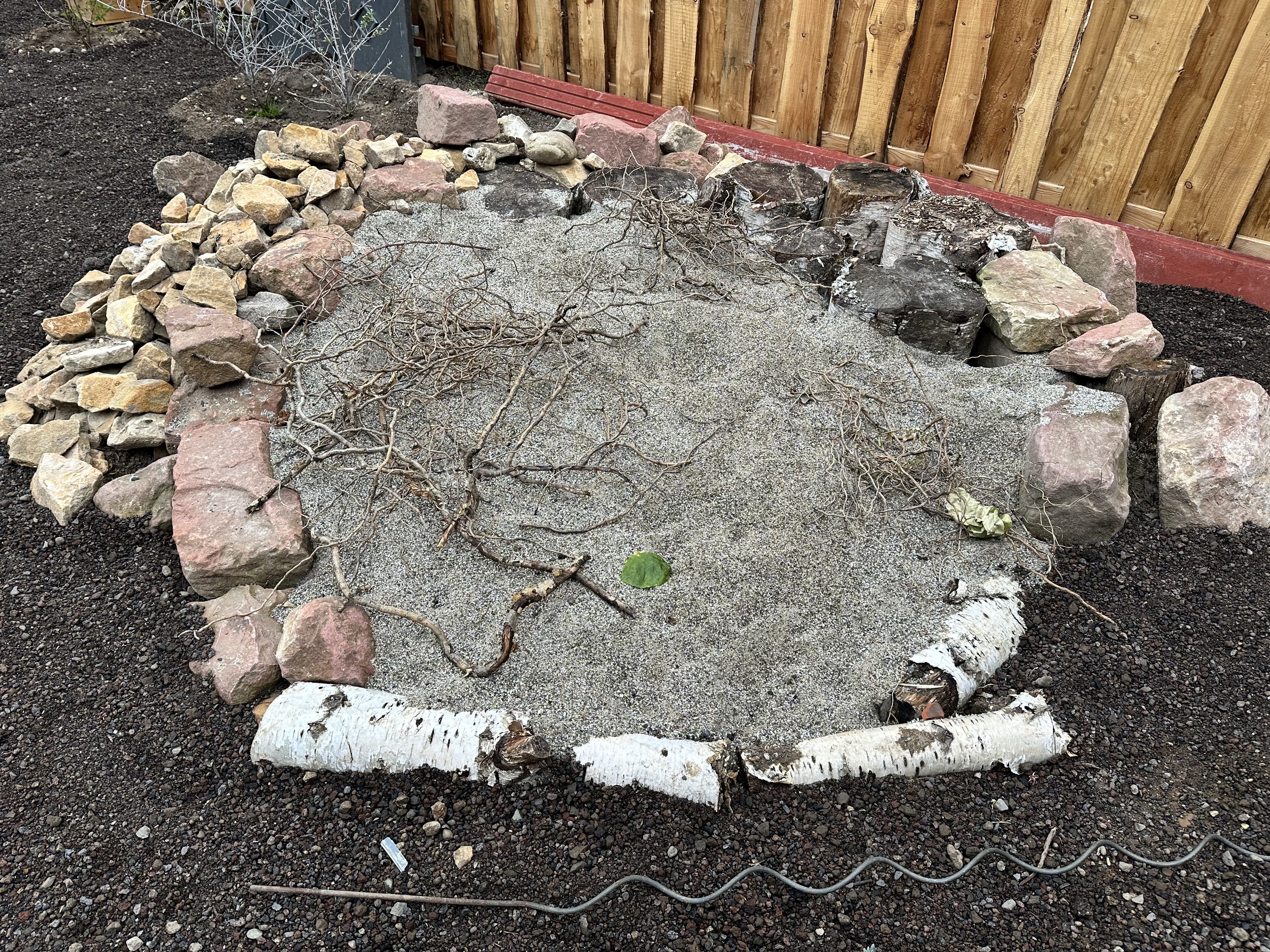
The Sandarium – home for wild bees
A sandarium provides an important habitat for wild bees. This habitat is often rare in nature. This makes it all the more important that as many gardens as possible integrate a sandarium to provide more nesting sites for wild bees. Combined with suitable planting that provides food for wild bees, they can once again increase their activity as pollinators and thus as an important part of the food chain.
The planting – it’s all in the mix
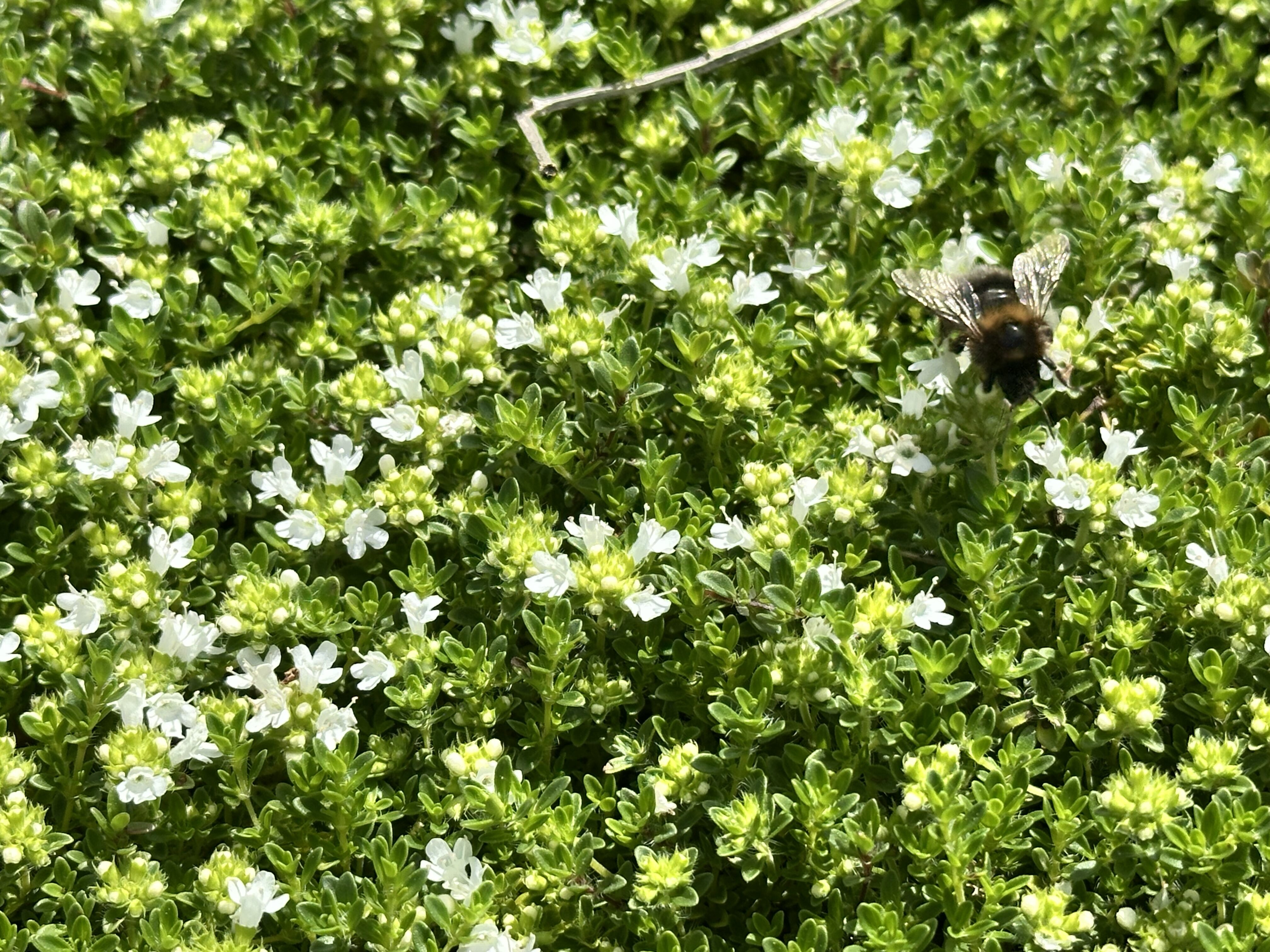
Planting is also an essential part of a natural garden. But even in a natural garden, the planting should meet the needs of both animals and humans. The plants used do not always have to be exclusively native. However, as many animal species native to the area specialize in certain plants as a food source, a corresponding proportion of suitable plants should be present to provide an abundant food supply.