The principle of the natural garden
Design where it is needed
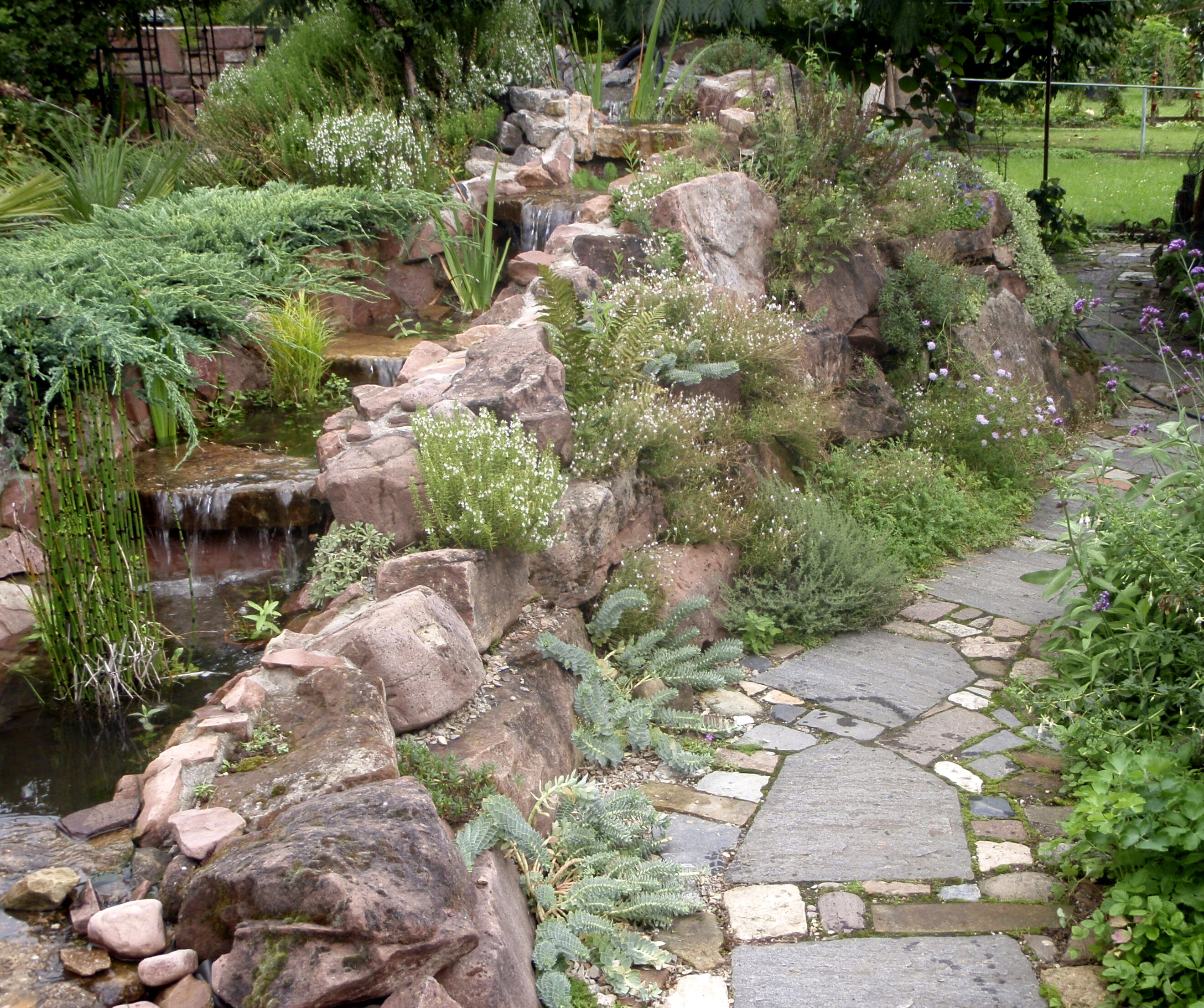
Natural gardens are – as the name suggests – always modeled on nature and designed in harmony with nature.
They change over time and also seasonally – the changes and dynamics of nature are important components of our plants. We focus on the individual character of the garden and design where necessary.
In a near-natural garden, we select plants to suit the site conditions, such as soil conditions and light conditions.
Talk to us, we will be happy to advise you.
Get non-binding adviceNatural garden designs
Advantages of near-natural gardens
- They promote biodiversity, conserve resources and are sustainable, providing food and shelter for bees and other insects, hedgehogs and bats.
- They are beautiful places to relax and they also require less maintenance than conventional gardens.
- Plants are selected so that they are optimally adapted to the location
and can cope well with the soil and climatic
conditions. - Preference is given to using materials that are already available.


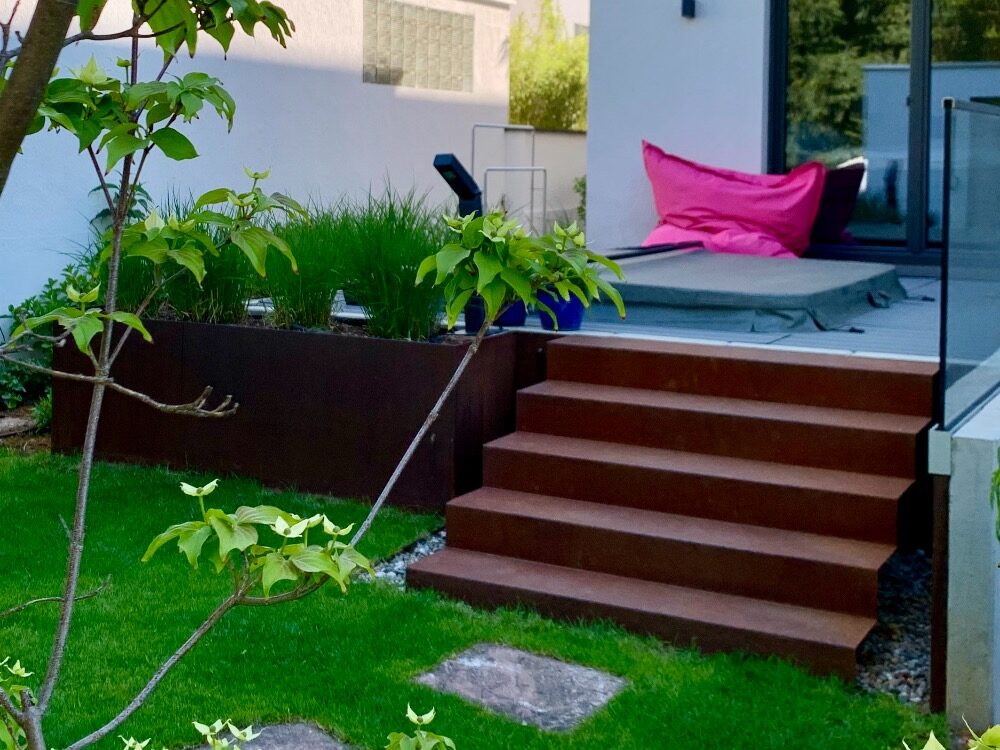
The basic idea behind our planning:
- All plants and seeds used are insect-friendly.
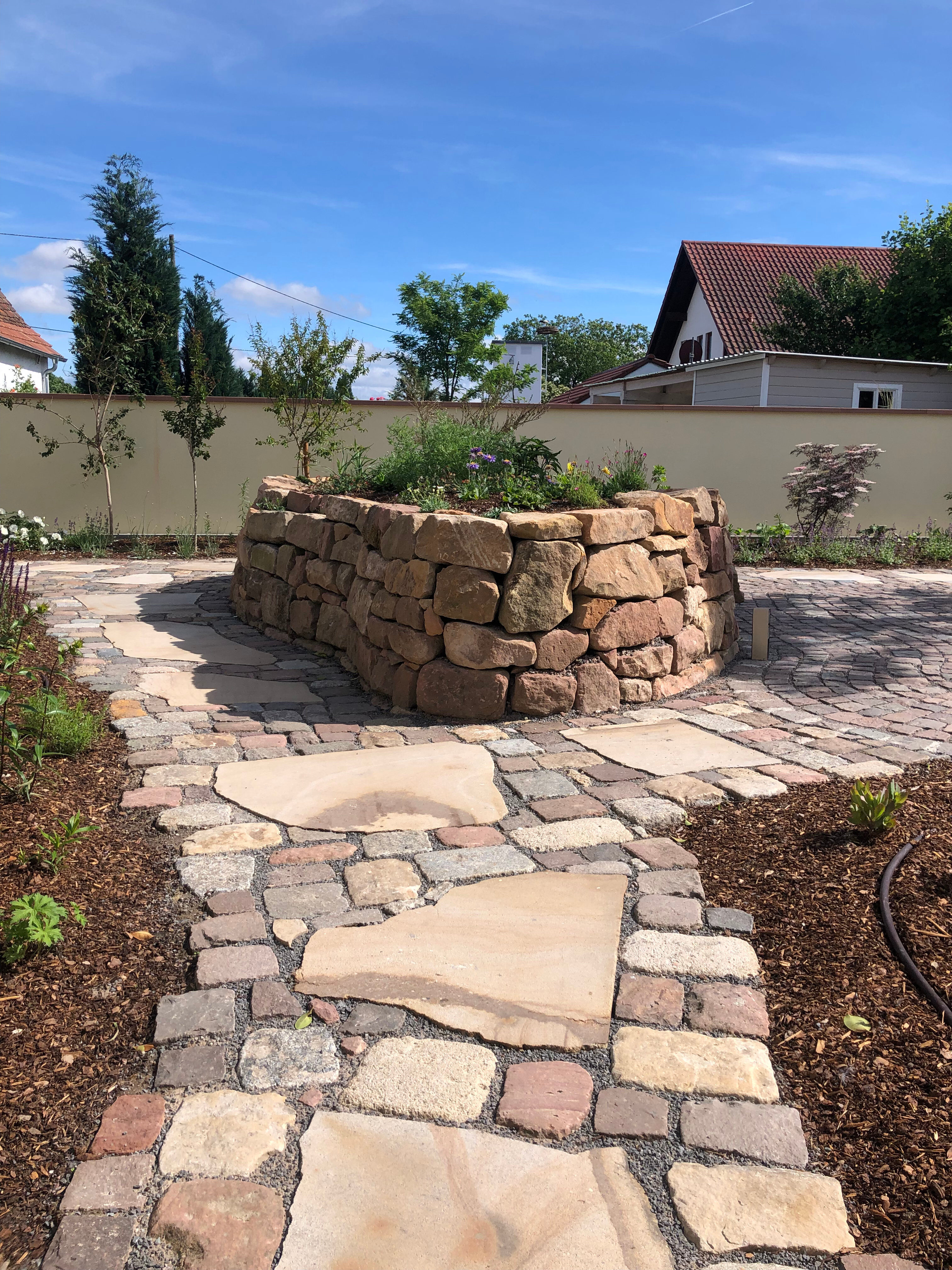
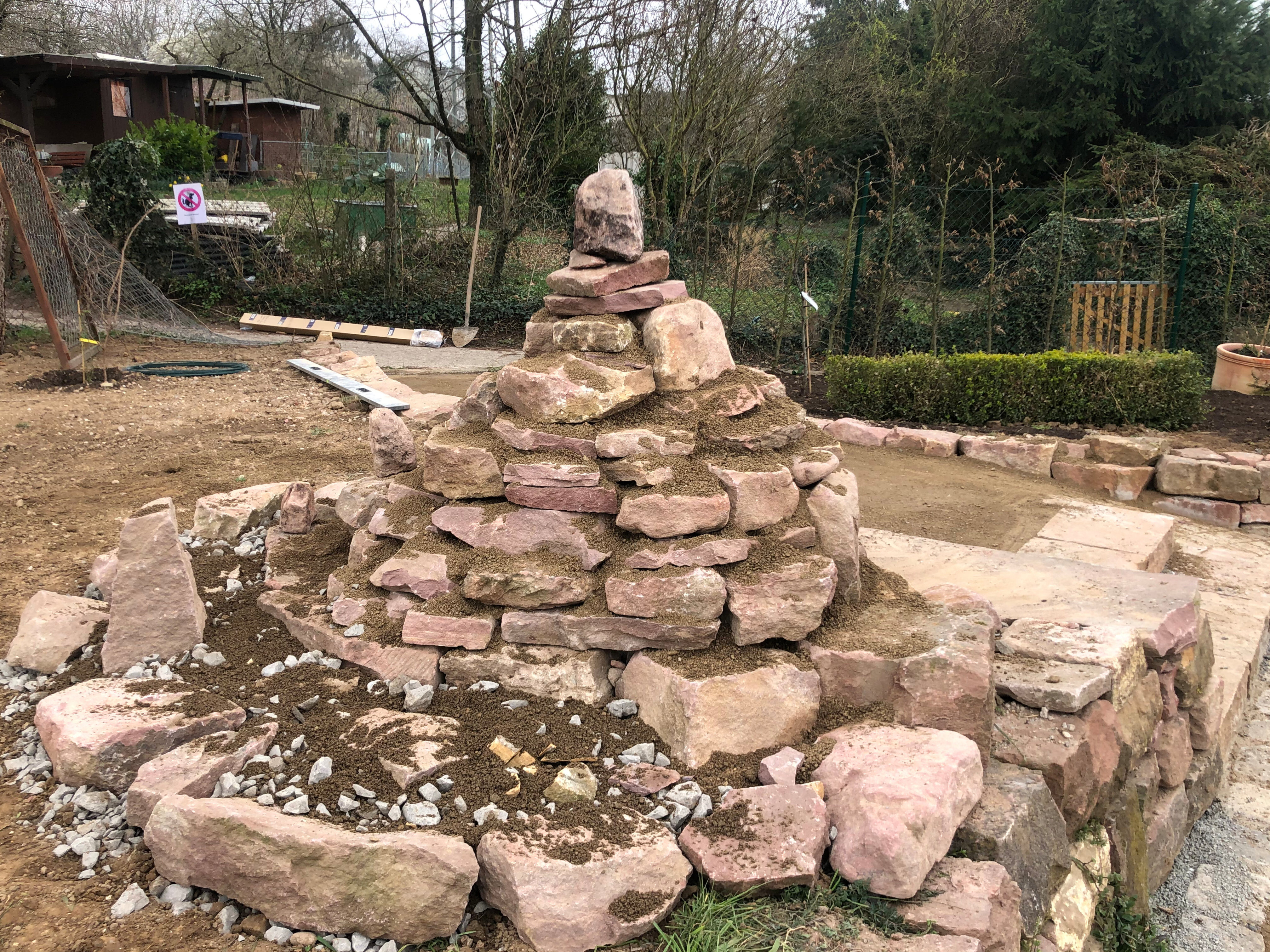
- All work is carried out in a resource-conserving manner and regional building materials are used wherever possible.
- Wherever possible, open areas are not sealed and paths are skillfully integrated into the overall appearance of the garden.
- Habitats are created for many animal and plant species.
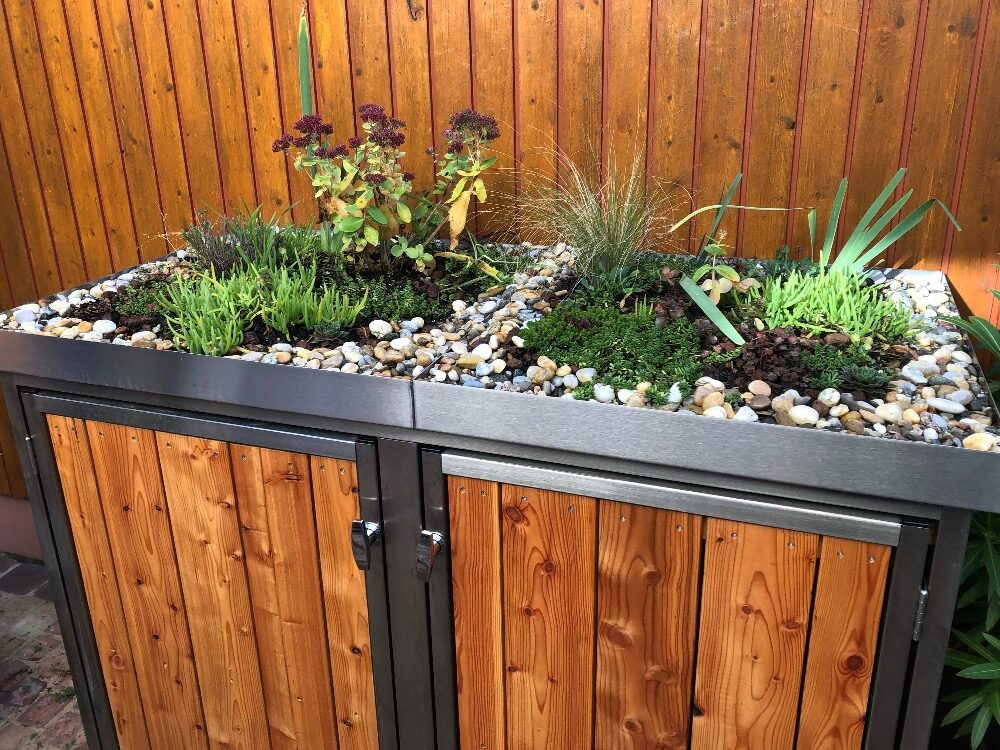
- Roofs and facades are greened with roof and climbing plants.
- A variety of water features are integrated into the garden.
Climate and species protection
We can all help to protect the environment and the climate and promote biodiversity – all it takes is a little courage to break away from our preconceptions of order. At ProNatur – die Gartenmacher, our philosophy is that nature has its very own order. Our task is to understand, use and respect them. This creates gardens that are close to nature – green, lively and surprising.
With our many years of experience, we are able to design each garden differently and individually.